

Three-wheeled vehicles have long played a vital role in Africa’s transportation landscape. From passenger transport crisscrossing city streets to logistical transport connecting urban and rural areas, three-wheeled vehicles, with their flexibility and affordability, have become an indispensable part of African life.
In the past, Indian three-wheeled vehicles held a significant position in the African market, thanks to their competitive price and adaptability to African road conditions. However, with the advent of the electric three-wheeler era and the rapid growth of the top 5 electric tricycle manufacturers in Africa, the shortcomings of Indian three-wheeled vehicles in electric technology have become increasingly apparent, creating an excellent opportunity for competitors, particularly Chinese electric three-wheeler companies, to seize market share.
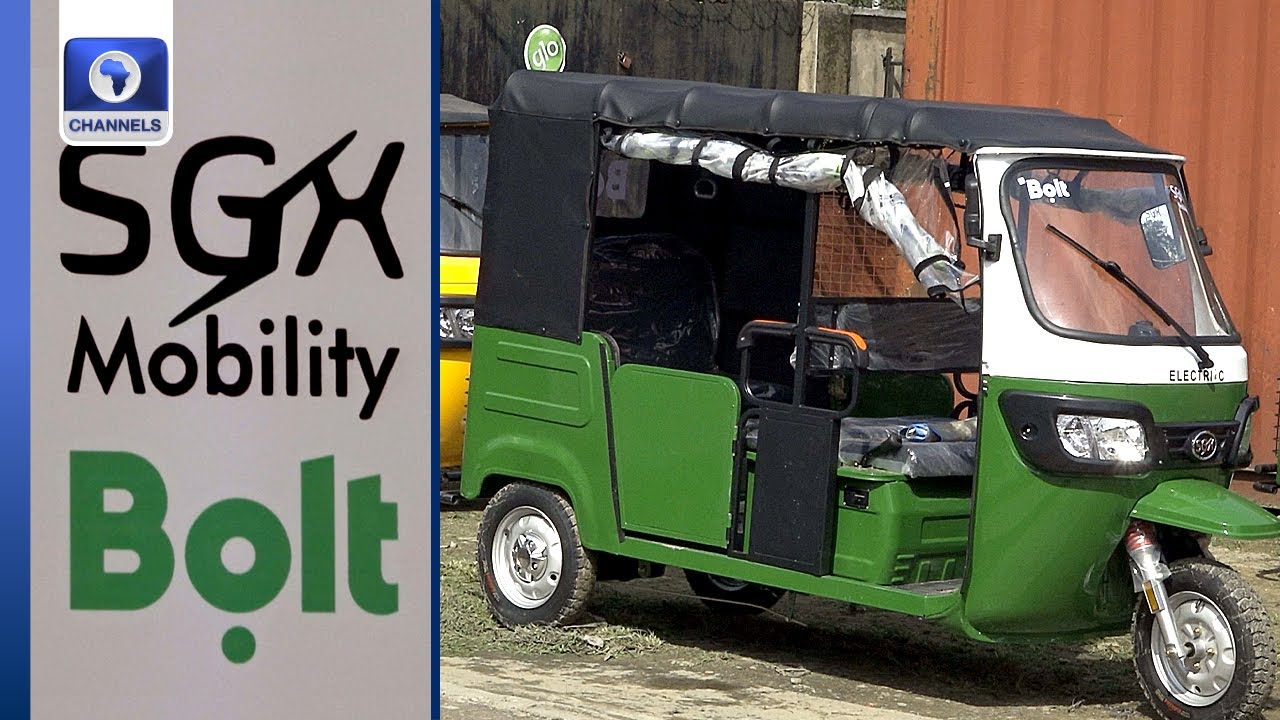

Analysis of Supply and Demand Imbalance in the African Three-Wheeler Market
The current African motorcycle market presents a significant mismatch between supply and demand. Internationally renowned motorcycle brands, primarily focused on global market positioning, have focused their product development and supply on mid-to-high-end categories like off-road and large-displacement models. These products neither meet the actual usage scenarios of mainstream users in the African market nor are priced out of the reach of most consumers, creating a core contradiction of “disconnected supply and demand.”
From a user perspective, the core demands for three-wheeled vehicles in the African market focus on functionality and affordability. Specifically, they must be able to carry both cargo and passengers on complex African roads, possessing local environmental characteristics such as shock resistance, waterproofing, and durability. Furthermore, they must maintain reasonable purchase and maintenance costs to match local income levels.
However, the current supply side of the market is plagued by a widespread phenomenon of “product transplantation.” International brands often select models from their existing product portfolios for African markets, some even eliminating products from other markets. This lack of a customized R&D and service system tailored to African user needs makes it difficult to effectively meet market demand.

Technical Shortcomings of Indian Electric Three-Wheelers
Lagging Behind in Battery Technology
In India, the core technology behind electric three-wheelers—battery technology—most electric three-wheelers on the Indian market still lag far behind the industry’s cutting-edge. Currently, most electric three-wheelers on the Indian market still rely on lead-acid batteries. While these batteries are relatively low-cost, they have low energy density, long charging times, short driving range, and a limited lifespan, typically requiring annual replacement.
According to relevant data, approximately 90% of electric three-wheelers on the Indian market use lead-acid batteries. In contrast, lithium-ion batteries, which offer higher energy density, faster charging, and longer lifespans, have been widely adopted globally, particularly in China.
Lithium-ion batteries have an energy density three to four times that of lead-acid batteries, meaning electric three-wheelers equipped with lithium batteries can achieve a longer driving range with a lighter battery. For example, a Chinese electric three-wheeler equipped with a lithium-ion battery has a range of 150 kilometers, while a similar Indian vehicle equipped with lead-acid batteries has a range of only 50 to 80 kilometers. In addition, there are environmental pollution problems during the recycling process of lead-acid batteries. About 90% of scrapped lead-acid batteries in India are recycled through informal channels, which is both inefficient and unsafe.
Electronic Control Systems Rely on Imports.
India’s electric three-wheelers also face serious deficiencies in their electronic control systems, with most key components imported. India’s domestic capabilities in electronic control system R&D and production are weak, preventing the formation of a complete industrial chain. This not only leads to high production costs but also presents numerous challenges in technology upgrades and after-sales service.
Many Indian electric three-wheeler brands use electronic control systems sourced from countries like China, South Korea, and Japan. These systems present numerous challenges in software optimization and hardware adaptation, hindering the full performance advantages of electric three-wheelers. Some African countries importing electric three-wheelers from India have returned them due to issues like brake failures, largely due to unstable electronic control systems.
Lack of Independent R&D Capabilities
Indian electric three-wheeler companies generally lack independent R&D capabilities, relying more on assembly production and lacking control over and innovation in core technologies. This results in India being slow to respond to market changes and technological advancements, and failing to promptly launch new products that meet consumer demand. Chinese companies, on the other hand, have invested heavily in R&D in the electric three-wheeler sector, continuously releasing innovative products.
For example, some Chinese companies have developed smart electric three-wheelers equipped with GPS tracking, remote locking systems, and intelligent driver assistance features, significantly enhancing vehicle safety and convenience, and have proven highly popular in the African market.

New Opportunities in the African Market
Favorable Policies
To promote green transportation and reduce carbon emissions, African governments have introduced policies to encourage the use of electric vehicles. Kenya launched a national “Electric Mobility” plan, set growth targets for electric motorcycles, and provided tax incentives.
Ghana announced in its 2024 budget that electric vehicles for public transportation will be exempt from import tariffs for eight years, and domestically assembled vehicles will also enjoy tariff and value-added tax concessions. These policies provide a favorable environment for the promotion of electric tricycles in Africa and create favorable conditions for technologically advanced Chinese electric tricycle companies to enter the African market.
Growing Market Demand
The Rise of The Battery Swap Model
The battery swap model is gaining popularity in the African electric three-wheeler market, offering a new solution to addressing the challenges of range and charging. Transsion plans to launch a battery rental service in Uganda in June 2025. Users can rent batteries on a monthly basis or swap them out at a battery swap station within 5 minutes, eliminating the cost of purchasing batteries.
African battery swap companies like Spiro operate 22,000 electric vehicles in seven African countries, with a network of over 400 battery swap stations. This model places high demands on the stability of battery technology and electronic control systems. Due to technological shortcomings, Indian electric three-wheelers struggle to gain an advantage in the battery swap market. However, Chinese companies, with their advanced technology and well-developed industrial chain, are better positioned to enter the battery swap market and meet the needs of African consumers.

How Electric Three-Wheeler Companies Can Build Their Brand in Africa
The Core of the Africanized Brand Strategy
Market positioning:
Focusing on the Mainstream Consumer Group. Eschewing the 10%-20% niche market focus of international brands, we are targeting the 70%-80% of core consumer groups in Africa. By addressing public transportation and freight transportation needs, we aim to dominate the mainstream market. By reshaping industry standards and prioritizing the needs of African users, we are establishing a comprehensive “Africanized” system from product development and business models to brand building.
Comprehensive “Africanization” implementation:
Product Africanization: Focusing on the core functions of passenger and cargo transportation, we enhance shock resistance, waterproofing, and durability, optimize serviceability, and power adaptability to ensure the product is fully compatible with African road conditions and usage scenarios.
Brand Africanization: Empowering the brand with personalized characteristics, incorporating elements of passion and confidence from African culture into the brand image, creating an emotional resonance between the brand and users, and becoming a symbol of their hopes for life.
Function and Color Africanization: Focusing on practical functionality, we avoid redundant design. Color selection aligns with the aesthetic preferences of African users, employing highly recognizable color schemes that are consistent with local culture.
Service Africanization: Building a localized service network, streamlining maintenance processes, reducing service costs, and ensuring users receive convenient and efficient service support throughout their lifecycle.

Product Matrix and Long-Term Strategic Layout
Product matrix planning – image products: Target the high-end market, build brand momentum through technological innovation and quality benchmarks, and enhance overall brand premium and market recognition.
Standard products: Focus on the mainstream market, focusing on high cost-effectiveness and stable performance to achieve rapid market share capture and scale expansion.
Popular products: Build differentiated competitive advantages through innovative products. Breakthroughs are achieved by addressing core customer pain points (such as higher load capacity and easier maintenance), strengthening brand recognition in customer minds and laying the foundation for long-term strategy.
Conclusion
Amidst the transformation of the African electric tricycle market, Indian tricycles are gradually losing their advantages due to shortcomings in electric technology. However, Chinese electric tricycle companies, leveraging their strengths in battery technology, electronic control systems, independent R&D capabilities, and a precise understanding of African market demand, are poised to achieve breakthroughs in the African market, capture a larger market share, and lead the development of the African electric tricycle market.
China’s electric tricycle industry is currently experiencing rapid growth, with improved power battery performance. Sodium-ion battery technology is expected to become an energy solution for electric tricycles, helping Chinese electric tricycle brands gain a firm foothold in Africa.


