

Electric two-wheelers and electric cars are essential means of transportation today. When a vehicle runs out of power, it’s essential to recharge it promptly. The traditional method of recharging, known as charging, takes several hours to fully charge, making it quite inconvenient. However, a new method of recharging is currently impacting the user experience: battery swapping.
Do you know what battery swapping is? How does it work? What are its advantages? What are its future development trends? This article will introduce battery swapping for both electric two-wheelers and electric cars, providing insights into convenient and efficient ways to recharge electric vehicles.

What Is Meant by Battery Swapping?
When an electric two-wheeler’s range runs low, the user can go to a battery swap station to remove the low-charged battery and replace it with a fully charged one. This process is called battery swapping. Simply put, it involves quickly separating the battery from the vehicle.
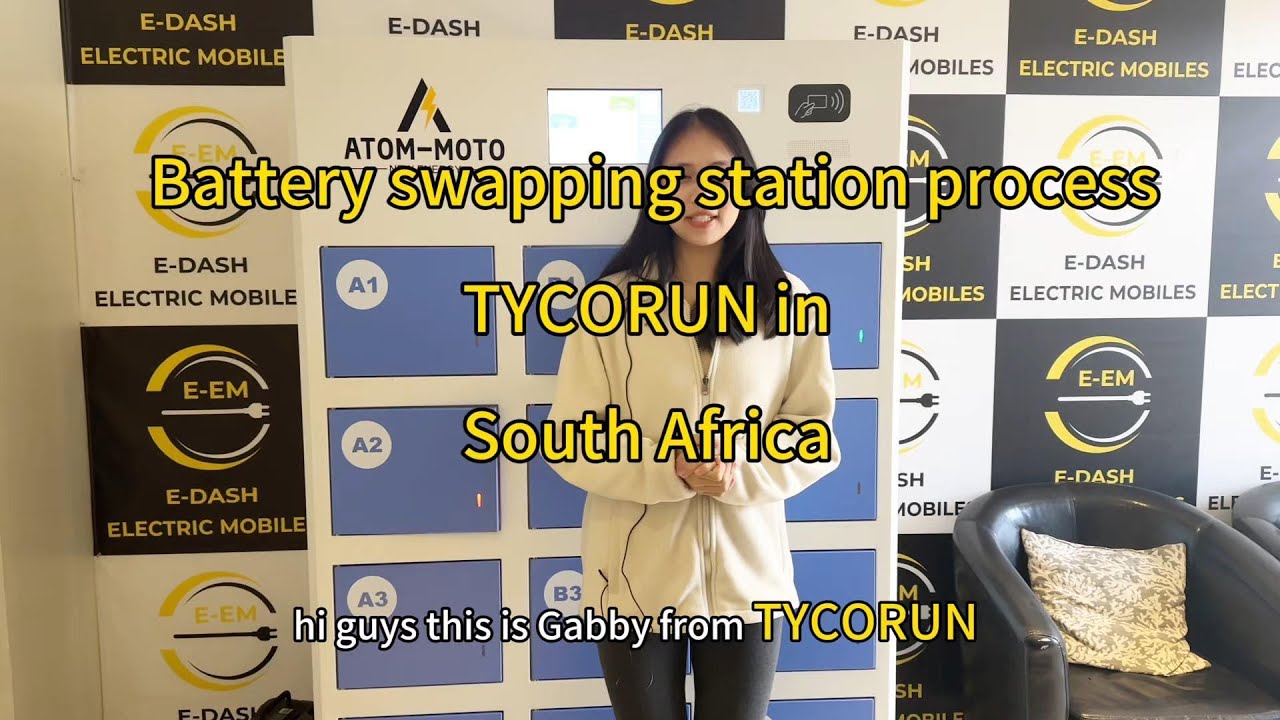
How does battery swapping work? The user removes the depleted battery from the electric two-wheeler, presses the swap button on the smart battery swap cabinet, and inserts the old battery into the empty compartment. After a short wait of three seconds, the fully charged new battery pops out and is installed in the vehicle, ready to ride. Unlike electric vehicle battery swapping, the user simply drives the vehicle to a battery swap station. Mechanical equipment replaces the ev battery, eliminating the need for manual labor, allowing the battery swap to be completed quickly.

Is Battery Swapping Faster Than Charging?
Battery swapping is faster than charging. Compared with traditional charging mode, battery swapping only takes a few minutes, which can achieve rapid battery recharge, which is faster and more convenient than charging. In addition, battery swapping has many advantages. Compared with charging, battery swapping has the following advantages:
| Traditional charging | Battery swapping |
|---|---|
| Charging is inconvenient and unsafe: Problems such as insufficient charging ports, charging ports being occupied and the car needing to be moved, and wires being pulled out often occur, making the charging process neither convenient nor safe. | Efficient and convenient: Battery replacement is fast and can be completed within 2 minutes. A full charge can provide a range of approximately 60-80 kilometers. There is no need to find charging piles, and battery swap cabinets can be flexibly distributed. |
| Slow charging speed: Ordinary lead-acid batteries require 6-8 hours, and lithium batteries also require 1-3 hours for fast charging, which seriously affects travel efficiency. | Safe and reliable: centralized battery management and real-time monitoring reduce safety risks; use standardized batteries to reduce safety hazards. |
| Frequent failures of charging piles: Charging piles may be damaged due to environmental factors or frequent use, and the repair process is complicated and costly. | Reduce costs: No need to purchase expensive batteries when purchasing a car, reducing initial costs; professional maintenance extends battery life and reduces usage costs. |
| Safety hazards are prominent: the battery may overheat during charging, and poor-quality charging facilities are more likely to cause leakage or short circuit, increasing safety risks. | Environmental protection and energy saving: optimize battery resource utilization, reduce pollution and improve energy efficiency. |

Electric Vehicle Battery Swapping vs Ultra-Fast Charging: Which One Would You Choose?
Battery Swap Mode
What is battery swap? Battery swap mode provides rapid recharging by swapping battery packs. The user drives their vehicle to a battery swap station, where a robotic arm automatically removes the depleted battery and installs a fully charged pack. The entire process takes just 3-5 minutes, restoring range.
Advantages of battery swap mode
- Extremely high recharging efficiency: Compared to charging, battery swapping takes minutes, making it particularly suitable for high-frequency scenarios (such as ride-hailing and taxis).
- More controllable battery life: Battery swap stations centrally manage batteries, extending their overall lifespan through professional maintenance and cascaded utilization.
- Low-temperature adaptability: Battery swap stations reserve temperature-controlled batteries, addressing the issue of charging efficiency being halved at -20°C.
Challenges of battery swap mode
- High infrastructure dependence: Battery swap stations are expensive to build and require strategic layout. Currently, they are primarily concentrated in first- and second-tier cities.
- Uneven geographic coverage: Battery swap stations are less dense in non-core cities, making recharging difficult for long-distance trips.
- Vehicle model restrictions: At present, most battery swap stations are still mainly adapted to specific brands of vehicles, and there are compatibility barriers.
Ultra-fast charging Mode
What is ultra-fast charging? Ultra-fast charging significantly shortens charging times through high-power charging technology. For example, some ultra-fast charging technologies have achieved “400 km of driving range after 5 minutes of charging,” significantly reducing recharging time and bringing the experience closer to that of a gasoline vehicle.
Advantages of ultra-fast charging
- Accessibility and compatibility: Public fast charging stations are widely available and suitable for most models that support the fast charging protocol.
- High flexibility: Both home charging piles and public fast charging stations can be used, making it suitable for home users and long-distance travel.
Challenges of ultra-fast charging
- Battery Degradation Risk: High-frequency, high-power charging may accelerate battery aging, and batteries of different chemistries have different tolerances to fast charging.
- Grid load pressure: Large-scale ultra-fast charging may put pressure on local power grids, necessitating the use of energy storage systems or grid upgrades to balance the load.
- Environmental adaptability: Charging efficiency may decrease in low-temperature environments, requiring additional time for battery warm-up.

Comprehensive Comparison Between Battery Swapping vs Ultra-Fast Charging
Core Scenario Comparison
| Dimensions | Battery swap mode | Ultra-fast charging |
|---|---|---|
| Recharging speed | 3-5 minutes (swap and go) | 20-40 minutes (to 80%) |
| Battery life management | Centralized maintenance, controlled degradation | Depending on user habits |
| Infrastructure | High construction cost, limited coverage | Highly accessible, flexible deployment |
| Battery swapping mode | Distinctive advantages in low-temperature regions | Requires battery preheating technology |
Applicable Scenario Analysis
Battery swapping is more suitable for:
- Frequently used vehicles (such as ride-hailing services) that need to minimize recharging time.
- Users in cold regions: battery swapping stations can shorten recharging time by storing room-temperature batteries.
- Users seeking a convenient experience.
Ultra-fast charging is more suitable for:
- Home users (using a combination of a home slow charger and a supercharger for emergency use).
- Long-distance travel scenarios (relying on charging network coverage along the route).
- Users who are sensitive to recharging costs and do not require frequent fast charging, or owners of electric vehicles using lithium iron phosphate batteries (which are fast-charging-resistant).
Economic Costs and Future Trends
Cost comparison:
- Recharging costs: Battery swapping is typically slightly more expensive than supercharging, but it eliminates the risk of battery deterioration.
- Vehicle purchase costs: Battery swapping may lower the initial purchase price, but requires long-term service fees. Supercharging models require the purchase of batteries, and residual value assessments may differ.
Future trends:
- Technological convergence: Some automakers are exploring “rechargeable and swappable” models, balancing flexibility and efficiency. Battery swapping stations are integrating supercharging stations.
- Grid collaboration: Battery swapping stations may serve as energy storage nodes to participate in grid peak regulation, while supercharging stations reduce grid impact through integrated solar, storage, and charging.
- Standardization: Battery swapping interfaces and supercharging protocols are expected to be further unified, enhancing compatibility.
Future Development Trends of the Electric Two-Wheeler Battery Swapping Industry
- Battery swapping for electric two-wheelers will gradually replace charging and become the primary energy supply technology for the consumer market of electric bicycles.
- Battery swapping technology will integrate with advanced technologies such as batteries, AI, the Internet of Things, big data, and cloud computing.
- The battery technology path for electric two-wheelers will gradually shift from lead-acid batteries to a “lithium + sodium” approach. The penetration rate of low-cost, high-safety technologies such as lithium iron phosphate and sodium-ion batteries will increase.
- With battery swapping for electric two-wheelers as the core, new business models and industrial chain ecosystems will gradually emerge, and the electric two-wheeler industry will undergo industrial upgrading and iteration based on battery swapping.
- China’s national standard for electric two-wheelers will be mandatory from November 2024. In the future, safety standards and requirements for battery products in electric two-wheelers will be significantly improved, and low-quality and second-life batteries will be gradually eliminated from the battery swap market.

Future Development Trends of the Electric Vehicle Battery Swapping Industry
Market opportunities: With electric vehicle penetration exceeding 30%, the economic benefits of the battery swap model are becoming increasingly prominent. Increased standardization of power batteries and advancements in second-use technologies will further reduce the operating costs of battery swap stations and expand the viability of the business model.
Technological innovation: The industry has already achieved breakthroughs such as 90-second ultra-fast battery swaps and intelligent inventory management. The integration of 5G and AI technologies will drive the implementation of innovative applications such as unmanned battery swap stations and intelligent battery health monitoring.
Challenges requiring attention include:
- The asset-heavy nature of infrastructure construction leads to a long payback period
- Operational complexity caused by inconsistent battery standards across automakers
- Cultivating user consumption habits takes time
Despite industry pain points such as standardization and battery compatibility, battery swap stations hold significant potential for development with technological advancements and policy support. Through continuous solution optimization, the industry will usher in broader growth opportunities.
Conclusion
The above introduces battery swapping for electric two-wheelers and electric vehicles. The battery swap model is a response to the development of the electric vehicle industry. The long charging times and insufficient charging infrastructure for electric vehicles have become increasingly apparent, creating an urgent need to address the charging challenges faced by electric vehicles. This has led to the emergence of the battery swap industry.
With the widespread adoption of electric two-wheelers and electric vehicles, and the continuous advancement of battery technology, battery swapping has matured, effectively solving charging challenges. Battery swapping is becoming a growing trend.


