

Thanks to the continuous breakthroughs in battery technology, battery types have gradually diversified, from disposable batteries to rechargeable batteries, providing energy support for our lives and creating a more convenient and efficient life.
Do you know what types of batteries there are? What are the characteristics of each type of battery? This article will introduce in detail the definition of batteries, battery types, and common battery types for electric two-wheelers.
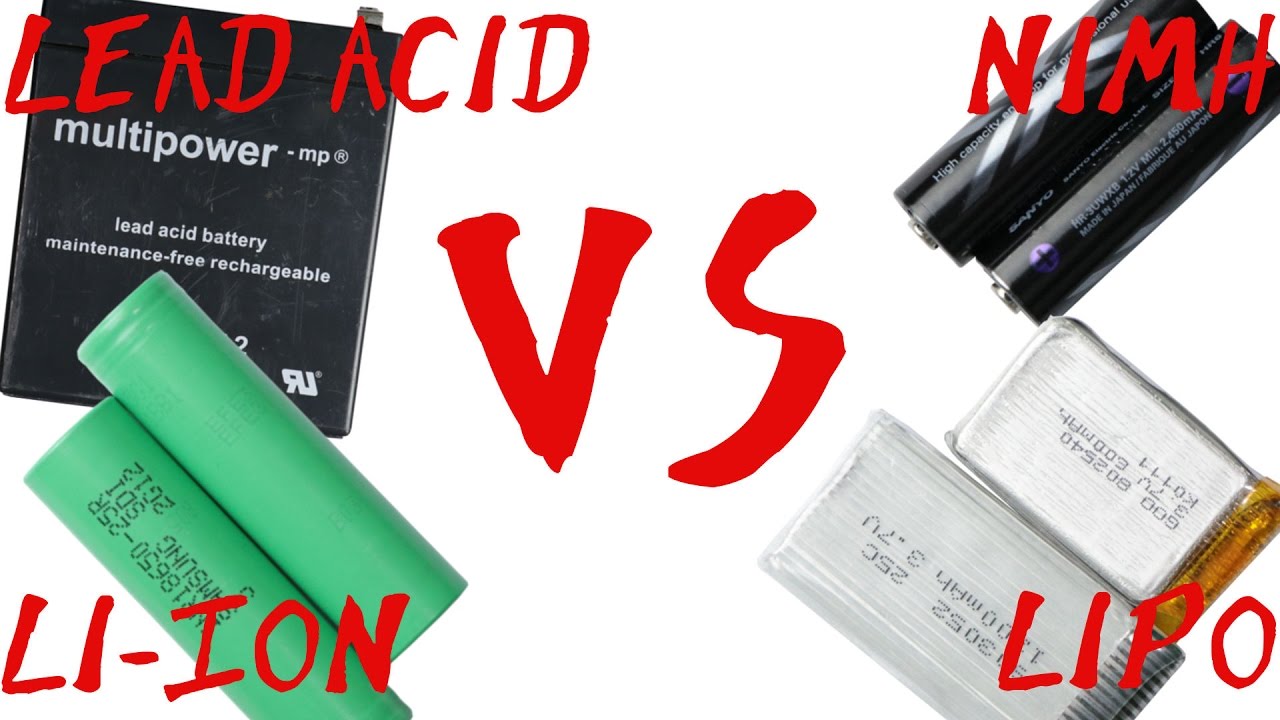

Basic definition of battery
What is a battery? Batteries are devices that convert and store energy. They convert chemical energy or physical energy into electrical energy through reactions. Batteries can be divided into chemical batteries and physical batteries according to the different energy conversion methods.
A chemical battery or chemical power source is a device that converts chemical energy into electrical energy. It consists of two electrochemically active electrodes of different components, each forming a cathode and anode, and a chemical substance that can provide media conduction as an electrolyte. When connected to an external carrier, it provides electrical energy by converting its internal chemical energy. A physical battery is a device that converts physical energy into electrical energy.

Basic classification of chemical batteries
One of the types of batteries: primary battery
Primary batteries refer to batteries that can only be discharged once and cannot be recharged and reused. There are the following specific types:
- Zinc-manganese battery (dry battery)
Principle: zinc is the anode, manganese dioxide is the cathode, and the electrolyte is ammonium chloride or zinc chloride solution.
Features: low cost, high safety, low energy density.
Application: low-power devices such as remote controls, flashlights, toys, and clocks.
- Alkaline zinc-manganese battery (alkaline battery)
Principle: zinc is the anode, manganese dioxide is the cathode, and the electrolyte is potassium hydroxide solution.
Features: higher energy density, large discharge current, suitable for high-power devices, low self-discharge rate.
Application: high-current devices such as tape recorders and flashlights.
- Lithium primary battery (lithium metal battery)
Principle: lithium is the anode, manganese dioxide, carbon fluoride, and sulfur dioxide are the cathode.
Features: high energy density, high operating voltage, extremely low self-discharge rate, suitable for long-term work, long service life, and can work in a wide temperature range.
Application: high-energy demand devices such as pacemakers, smart meters, GPS trackers, etc.
One of the battery types: secondary battery
Secondary batteries are batteries that can be charged and discharged for multiple cycles, also known as rechargeable batteries, and there are the following types:
Principle: lithium metal oxide is the cathode, graphite is the anode, and the electrolyte is solid or liquid.
Features: high energy density, long cycle life, low self-discharge.
Applications: smart phones, laptops, electric vehicles, energy storage power stations.
- Lead-acid battery
Principle: lead and its oxides are cathode and anode materials, and sulfuric acid solution is the electrolyte.
Features: low cost, good safety, low energy density, short life.
Applications: car starting power supply, backup power supply, electric two-wheeled vehicles.
- Sodium ion battery
Principle: Sodium oxide is the cathode material, hard carbon is the anode material, and the electrolyte is solid or liquid.
Features: Abundant sodium resources, good safety, excellent low temperature performance, good rate performance, but low energy density, short cycle life.
Application: grid energy storage (peak frequency regulation), household energy storage, low-speed electric vehicles, small electronic devices.
- Solid state battery
Principle: The cathode material is sodium ion or lithium ion, and the electrolyte is solid.
Features: high safety, high energy density, fast charging, strong shape customization.
Application: electric vehicles, consumer electronics, energy storage, aerospace, military.
- Nickel battery (nickel-cadmium, nickel-metal hydride)
Principle of nickel-cadmium battery: nickel hydroxide is the cathode material, cadmium hydroxide is the anode material, and the electrolyte is potassium hydroxide.
Features: long cycle life (500-1000 times), overcharge and over-discharge resistance, good low-temperature performance, but there is a memory effect, contains heavy metal cadmium, and has a low energy density.
Application: early portable electronic devices (old mobile phones, small recorders), power tools (electric drills, electric screwdrivers).

One of the battery types: fuel cell
- Hydrogen fuel cell
Principle: Use the chemical reaction of hydrogen and oxygen to directly generate electricity; according to the different electrolytes, it is also divided into proton exchange membrane fuel cells, alkaline fuel cells, etc.
Features: The only emission is water, which has the advantages of no pollution and high efficiency.
Application: Automobile, aerospace.
- Methanol fuel cell
Principle: Use methanol as fuel Features: The fuel is liquid methanol, which is easy to store and transport. The oxidation reaction of methanol is slow and requires an efficient catalyst.
Application: Portable electronic devices (backup power), small power generation equipment.
One of the battery types: liquid flow battery
- Iron-chromium liquid flow battery
Principle: The cathode is iron, the anode is chromium, and the electrolyte circulates through a circulation pump.
Features: The redox property of the negative electrode chromium is poor, the hydrogen evolution problem is serious during charging, and the electrolyte is cross-contaminated.
Application: The earliest generation of liquid flow batteries, once used by Panasonic on fishing boats.
- Vanadium flow battery
Principle: Both positive and negative electrodes are vanadium particles, which will not cause cross-contamination problems.
Features: Vanadium resources are abundant, high residual value can be recycled, and high safety, but the unit cost of electrolyte and particle conductive membrane is high, and the energy density is low.
Application: Large-scale energy storage projects.
- Zinc flow battery
Principle: Single electrolyte circulation structure, no need for ion conduction membrane.
Features: Low initial construction cost, higher energy density than vanadium flow, rich zinc and nickel resources, safe, low temperature operation.
Application: Large energy storage projects.
Other battery types
- Aqueous battery
Principle: aqueous solution is the electrolyte.
Features: high safety, low cost, high power density, low energy density.
Applications: energy storage projects with high safety requirements, portable devices, seawater-based aqueous batteries.
- Air battery
Principle: using the reaction of an oxidant in the air with another reductant on the electrode to generate electricity.
Features: high energy density, high safety, no pollution, long life.
Applications: portable electronic devices such as hearing aids, implantable medical devices, etc.
5 common battery types for electric two-wheelers
- Lead-acid battery
This is the most common battery for electric two-wheelers. Lead acid batteries are cheap. When lithium ion battery vs lead acid battery have the same capacity, lead-acid batteries are only 1/3 of lithium batteries, so the replacement cost is cheap. At the same time, this battery has no risk of thermal runaway, and will not catch fire or explode even if it is severely bulged or deformed.
The number of charge and discharge cycles of lead-acid batteries is about 300 to 400 times, and the theoretical service life can reach 1 to 2 years. The battery is prone to plate sulfidation during use, resulting in increased internal resistance, and electrolyte stratification is also prone to occur, which accelerates the attenuation of capacity.
When using lead-acid batteries, do not charge for more than 10 hours each time to avoid overcharging. At the same time, do not over-discharge. Charge in time when the power is less than 20%, which can extend the battery life.
- Ternary lithium battery
A type of lithium ion battery, this battery has an energy density of 180-220Wh/kg, so it is very light, but the price is high. At the same time, this battery has poor thermal stability and is prone to thermal runaway when the ambient temperature exceeds 50°C.
In addition, ternary lithium batteries need to maintain 40%~60% of their power during long-term storage. When fully charged, the battery is easily damaged. This battery has a charge and discharge cycle of 1500-2000 times and can be used for 5~7 years. The attenuation rate in the first 3 years is very low, only 5%, so it is very durable.
- Lithium iron phosphate battery
LFP vs NMC battery, but its stability is better. Through needle puncture and overcharge tests, it will not catch fire or explode. Moreover, the cost of this battery is 40% lower than that of ternary lithium battery, so it is welcomed by many car owners.
The number of charge and discharge cycles of lithium iron phosphate battery is 200-3000 times, and it can be used for 8-10 years. However, when using it, it is necessary to configure the battery management system to monitor the single cell voltage in real time to avoid battery cell deviation and affect the service life.
- Sodium ion battery
This is a new battery type with good stability during testing. Sodium ion batteries are highly safe and do not catch fire or explode. In addition, the cost of sodium ion batteries is lower than that of lithium iron phosphate batteries and higher than that of lead acid batteries.
The number of charge and discharge cycles of sodium ion batteries is 3,000-4,000 times, and the theoretical service life can reach 15 years. It is currently the longest-lasting electric vehicle battery. During use, a battery management system needs to be configured to monitor the battery in real time, which can not only ensure the safety of battery use, but also extend the battery life.

What type of batteries does the Atom Moto battery swap station use?
Atom Moto is a battery swap product rental service provider in South Africa, providing electric motorcycle and battery rental services to Africans engaged in food delivery and logistics industries. Atom Moto provides high-safety, long-cycle-life lithium iron phosphate batteries to provide stable energy for electric two-wheelers. It also provides battery replacement services to shorten the time for electric motorcycles to recharge and improve the work efficiency and benefits of electric motorcycle practitioners.
Atom Moto’s lithium iron phosphate battery has a service life of more than 3,000 times, does not require maintenance, supports frequent charging and discharging by users, and can operate stably at a high temperature of 60°C. In addition to the high stability of the battery itself, the lithium iron phosphate battery has a built-in BMS system to avoid risks such as overcharging, overdischarging, short circuit, and overheating.
Lithium iron phosphate batteries with high stability, high safety, and long cycle life are the best energy choice for electric motorcycles. If you are looking for a battery swap product rental site, please contact us and we will provide you with high-quality and high-performance electric motorcycles and batteries.

Conclusion
The above content introduces various battery types in detail, as well as their corresponding characteristics and applications. From lead-acid batteries to solid-state batteries, battery performance is constantly moving towards new heights.
Various types of batteries are widely used in many fields such as electric vehicles, power tools, electric toys, electronic products, energy storage, etc., providing humans with safe and efficient energy and promoting the rapid development of the global electrification industry.


