

The ternary lithium battery and lithium iron phosphate battery we know are both lithium-ion batteries, which are often used in electric vehicles, electric motorcycles, electric scooters and other transportation tools to provide stable power for these devices.
Do you know what materials are used for the cathode and anode of lithium-ion batteries? What is the impact on battery performance? This article will introduce the materials of the cathode and anode, manufacturing steps, recycling, and importance in detail to increase users’ understanding of lithium-ion batteries.
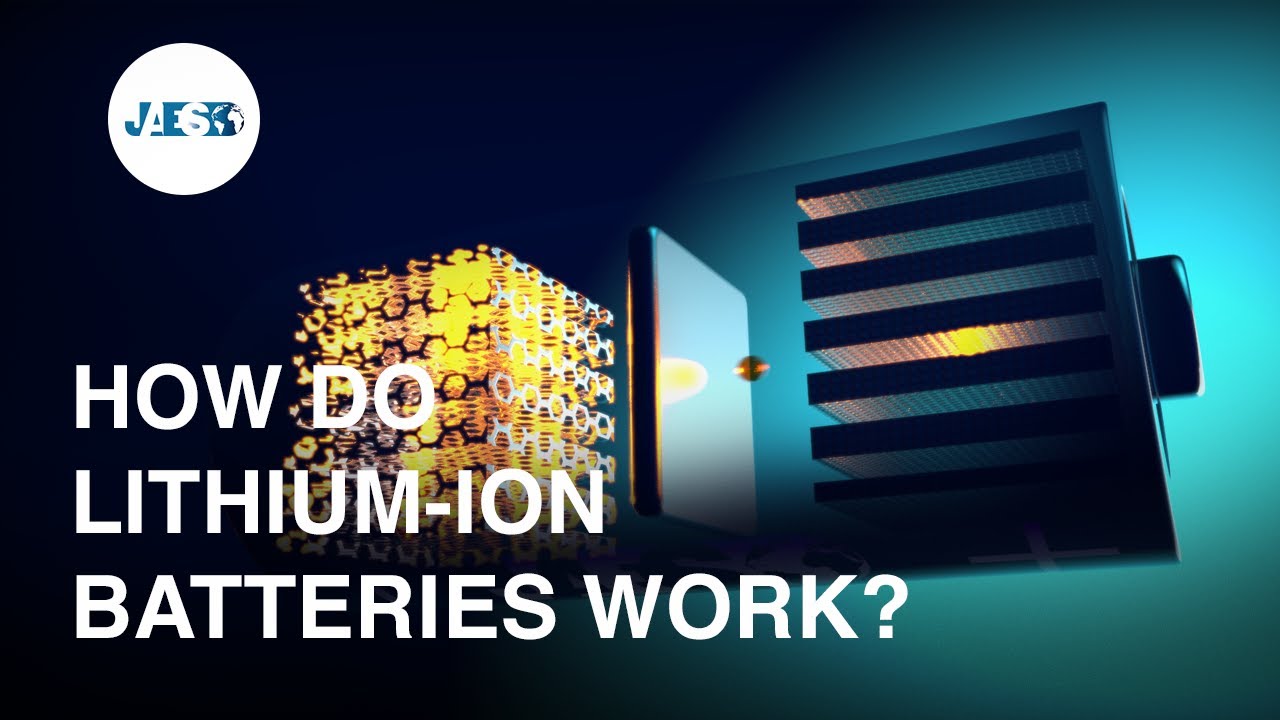

What Materials Are Used for the Cathode and Anode?
The cathode active material (CAM) is usually composed of metal oxides. The most commonly used cathode materials in lithium-ion batteries include lithium cobalt oxide (LiCoO2), lithium manganese oxide (LiMn2O4), lithium iron phosphate (LiFePO4 or LFP), and lithium nickel manganese cobalt oxide (LiNiMnCoO2 or NMC).
The anode active material (AAM) is usually made of carbon-based materials such as graphite, silicon, or a combination of the two. Graphite is the most commonly used anode material due to its high conductivity, low cost, and stable structure.
Silicon anode offer higher energy density but face challenges of volume expansion and reduced cycle life. Some improved versions of anode also dope small amounts of silicon in the graphite anode to improve performance characteristics and energy density. The materials and metals used in the manufacture of the cathode account for about 30-40% of the cost of a lithium battery cell, while the anode materials usually account for 10-15% of the total cost.

Fabrication of Cathode and Anode
Manufacturing of cathode and anode Manufacturing of cathode and anode generally involves several steps, although each manufacturer has its own process and recipe.
First, the necessary cathode and anode materials are synthesized into the desired compounds to make the electrodes. These compound mixtures are called cathode active materials (CAM) and anode active materials (AAM), respectively.
These synthesized materials are ground into fine powders and mixed with a binder and solvent to form a “slurry” for further processing.
Next, the slurry mixture is coated on a metal foil—usually aluminum foil for anode and copper foil for cathode—and dried in an oven to fix the materials to the foil and remove any remaining solvent.
Once dried, the foil undergoes a “calendering” process, which involves passing it through a series of rollers to compress and smooth the coating, ensuring uniform thickness and proper adhesion.
The coated negative and cathode foils can then be cut to the required size and combined with other components to build lithium-ion battery cells.

Recycling in Cathode and Anode Materials
While the performance of a battery degrades over time, the metals and valuable materials that went into the battery are not actually consumed.
As demand for lithium ion batteries grows, so does the need for sustainable and cost-effective materials, and one way to achieve this is by increasing the use of recycled content in the manufacturing of cathode and anode materials.
Recycled content can come from end-of-life batteries or manufacturing scrap. Using recycled materials in battery manufacturing offers the following benefits:
- Resource conservation: Recycling reduces the need for mining and extracting raw materials, conserving natural resources and reducing environmental impact.
- Lower carbon footprint: The recycling process may require less energy than extracting and processing raw materials, resulting in lower greenhouse gas emissions.
- Waste reduction: As the number of end-of-life batteries increases, recycling helps reduce the accumulation of hazardous waste in landfills.
- Cost-effectiveness: Using recycled materials can be more cost-effective than sourcing raw materials, providing a financial incentive for battery manufacturers to adopt sustainable practices.
- Supply chain integrity: Using recycled materials can ensure the security of supply of minerals and metals used to make cathode and anode materials. Companies can also ensure that raw materials are responsibly sourced.

How Do Cathode and Anode Affect the Performance of Lithium Batteries?
As a high-efficiency green energy source, lithium batteries have been widely used in various electronic devices and electric vehicles. In lithium batteries, the cathode and anode have different functions.
Cathode materials
Cathode materials play a vital role and directly affect the power density, energy density, life and safety of batteries. At present, in addition to lithium cobalt oxide (LiCoO2), the main cathode materials include spinel lithium manganese oxide (LiMn2O4), olivine lithium iron phosphate (LiFePO4) and layered nickel cobalt manganese (LiNi1/3Co1/3Mn1/3O2) ternary materials.
These materials have their own characteristics. Among them, lithium iron phosphate and ternary materials are the two most mature cathode materials and are widely used in energy storage systems.
The choice of cathode materials not only determines the performance of lithium batteries, but also directly affects their economic efficiency. Since cathode materials account for a large proportion of the cost of lithium batteries (the mass ratio of cathode and anode materials is 3:1 to 4:1), their price fluctuations have a significant impact on the economic efficiency of lithium batteries.
For example, lithium iron phosphate is widely used in the field of power energy storage due to its high safety and long cycle life, while ternary materials are favored in portable energy storage devices due to their high energy density.
Anode materials
Corresponding to cathode materials, anode materials of lithium batteries are equally important, mainly affecting the charging and discharging efficiency and cycle performance of batteries.
At present, common anode materials on the market are mainly divided into three categories: carbon materials (such as graphite), metal oxide materials and alloy materials.
Graphite materials dominate the market due to their good cycle performance and safety, but their rate performance can no longer meet certain high-power demand scenarios.
In the field of power batteries, silicon-based anode materials have become a research hotspot due to their high specific capacity and high energy density. Although there is a problem of expansion during charging and discharging, it is expected to be widely used in the future through modification and pre-lithiation.

Cell structure
From the perspective of cell structure, energy storage lithium-ion battery cells are mainly divided into three forms: square hard shell, cylindrical hard shell and soft pack. The internal structure is mainly composed of cathode, anode, diaphragm, electrolyte and other components (such as shell and lead terminals, etc.).
Among them, the cathode and anode materials account for 40% and 15% of the cost respectively, and the cost of diaphragm, electrolyte and other components accounts for about 10%, 10% and 25% respectively.
Different forms of cells have their own advantages and disadvantages in terms of safety, energy density, cycle life, etc. The choice of cathode and anode materials of lithium batteries has a profound impact on their performance and economy.
With the continuous advancement of technology, more high-performance and low-cost materials will be used in lithium batteries in the future, promoting their wide application in various fields.
Why Do Lithium-Ion Batteries Use Aluminum Foil for the Cathode and Copper Foil for the Anode?
Different materials are used for the cathode and anode. Aluminum foil is used for the cathode of lithium batteries, and copper foil is used for the anode. Behind this is the art of material division of labor determined by multiple factors such as potential adaptability and manufacturing matching.
- Potential adaptability
cathode (aluminum foil): The cathode potential is relatively high (usually 3~4 V vs. Li/Li⁺), and a dense aluminum oxide (Al₂O₃) insulating layer will form on the surface of the aluminum foil. Although this oxide layer is not conductive, it is extremely thin (nanoscale), and can achieve electron conduction through quantum tunneling effect, while effectively preventing further oxidation corrosion of the current collector under high pressure.
anode (copper foil): The anode potential is relatively low (0.1~0.2 V vs. Li/Li⁺). At this potential, the aluminum foil will react with lithium ions to alloy (generating LiAl alloy), resulting in structural powdering failure. Copper foil does not undergo lithium insertion reaction at low potential, and the oxide layer is loose, so the degree of surface oxidation needs to be strictly controlled to avoid increased impedance.
- Material stability
Limitations of aluminum foil: At low potentials (such as over-discharge), aluminum foil will corrode and lithium alloy, resulting in capacity loss and battery failure.
Limitations of copper foil: At high potentials (>3.5 V), copper foil is easily oxidized, but the low potential environment of the anode circumvents this problem.
- Process and performance requirements
Conductivity and mechanical properties: Copper foil has better ductility than aluminum foil and can be rolled to a thinner thickness (6 μm), reducing the weight of the battery; aluminum foil has higher mechanical strength and is suitable for cathode coating process.
Interface compatibility: Aluminum foil has good adhesion with cathode materials (such as LiCoO₂, LiFePO₄), while copper foil has better compatibility with graphite anodes.
- Other factors
Cost and density: The density of aluminum (2.7 g/cm³) is lower than that of copper (8.9 g/cm³), which can reduce the weight of the battery; aluminum cost is low and suitable for large-scale applications.
Thermal stability: Copper foil has better thermal conductivity than aluminum foil, which is conducive to heat dissipation of the anode, but the high temperature oxidation resistance of aluminum foil is more suitable for the cathode environment.

Conclusion
With the improvement of global battery technology, the types of cathode and anode materials have become more abundant, which has directly improved the performance of lithium batteries. In addition, the application of new batteries, sodium ion batteries, also provides the market with more efficient energy options. Experts will continue to explore the potential of cathode and anodes to provide strong impetus for the development of high-performance batteries.


