

Electric motorcycles are gaining popularity due to their convenience and environmental friendliness. However, as a core component of electric motorcycles, charging the battery — especially when faced with issues like motorcycle battery not charging — is often a major concern for users.
This article will explain the causes, solutions, and preventative measures for electric motorcycle battery not charging, helping users troubleshoot and extend the lithium battery life.
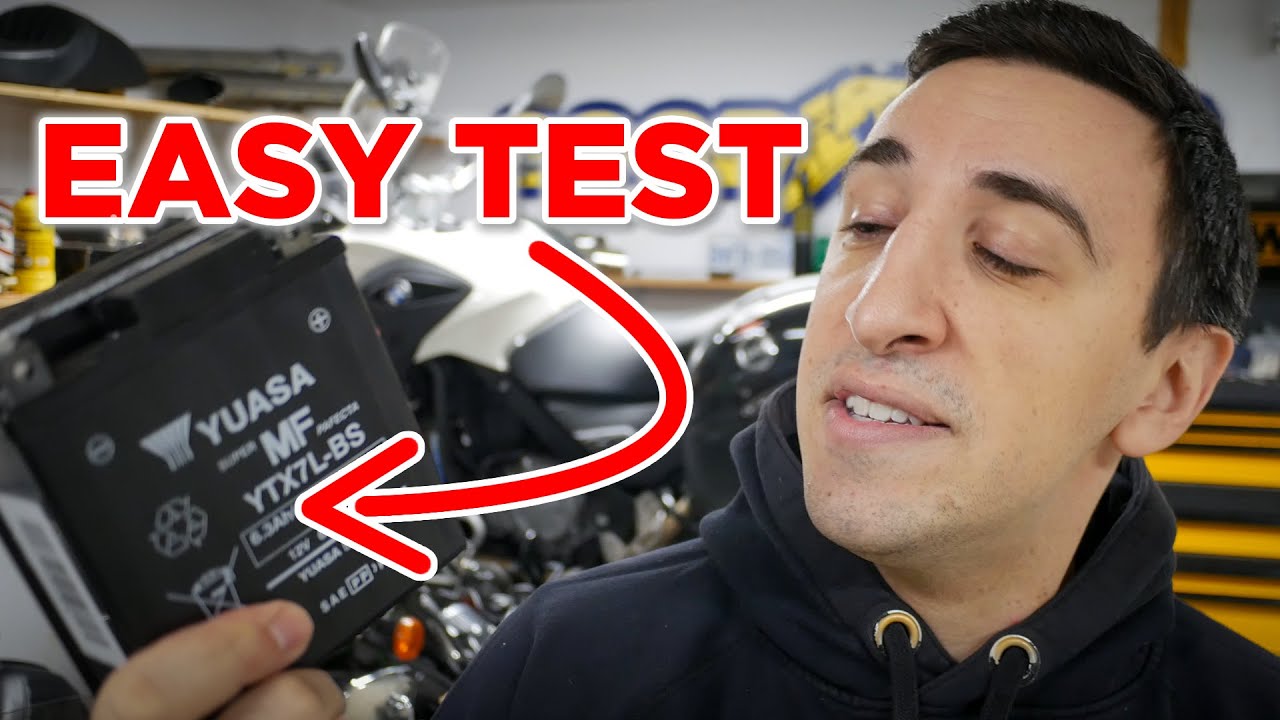

Common Reasons for Motorcycle Battery Not Charging
Charger failure: The charger is crucial for charging the battery. Any damage to the charger, such as a damaged plug or broken internal wiring, can lead to motorcycle battery not charging. It is recommended to check whether the charger is functioning properly and replace it if necessary.
Battery aging: Battery performance gradually degrades over time, especially for lithium batteries, where battery capacity typically decreases significantly after 1,000 charge cycles. If the battery is unused for an extended period, it may self-discharge, reducing charging efficiency.
Poor battery connection: Poor contact between the battery and the electric vehicle can prevent current from flowing smoothly, affecting charging. Regularly check the cable contacts to ensure they are secure.
Excessively low or high temperature: Charging the battery in extreme temperatures (such as below 0°C or above 40°C) may reduce charging efficiency or even prevent charging. It is recommended to charge within the appropriate temperature range.
Battery protection board issues: Electric motorcycle batteries are typically equipped with a Battery Management System (BMS). A malfunctioning protection board can lead to motorbike battery not charging or even discharging. In such cases, professional inspection and repair are required.

How to Solve the Problem of Electric Motorcycle Battery Not Charging
Check the charger: First, verify that the charger is functioning properly. Try connecting the charger to a different battery to confirm that there are no issues. If the charger is damaged, it’s recommended to purchase a new charger compatible with the scooter.
Check the battery: Remove the battery and test the voltage using a multimeter. If the voltage is lower than the nominal voltage, the battery may be aged or damaged. Depending on the battery type, you may need to consider replacing the battery.
Check the cables: Inspect the cables connecting the battery to the scooter to ensure they are free of damage or corrosion. If any problems are found, replace any damaged cables immediately and ensure that all connections are secure.
Ambient temperature control: Ensure the battery is within the appropriate temperature range during charging. If charging in a cold or hot environment, consider bringing the battery to a more moderate temperature before charging.
Battery management system repair: If charging still does not occur after following the above steps, it is recommended to consult a professional electric vehicle repair shop to inspect the battery management system for malfunctions. Professionals can perform a more in-depth inspection and repair to ensure safe and proper battery operation.

Measures to Prevent Electric Motorcycle Batteries from Not Charging
Regularly check the battery: Regularly inspect the battery and cables, keeping them dry and clean to avoid dust and moisture.
Use the charger appropriately: Use the charger provided by the manufacturer and avoid incompatible chargers to prevent battery damage.
Charge regularly: Even if your electric scooter is not used frequently, you should charge the battery regularly to maintain its vitality and prevent self-discharge that can cause it to become unchargeable.
Perform regular maintenance on your electric scooter: This includes cleaning the body, inspecting the battery, and replacing worn parts. This will extend the life of your scooter and reduce the likelihood of malfunctions.
Pay attention to charging times: Avoid overcharging and over-discharging. Generally, unplug the charger immediately after the battery is fully charged to extend its life.
Store your electric two-wheeler in a suitable environment: Store in a dry, well-ventilated area, avoiding prolonged exposure to high temperatures or humidity. This will protect the battery from damage and extend its life.

Conclusion
Electric motorcycle battery failure is a common problem, but with proper inspection and maintenance, most issues—such as motorcycle battery not charging—can be effectively resolved. Electric motorcycle charging is a crucial issue. Overcharging and overdischarging an electric motorcycle can affect the battery, rapidly reducing the overall lifespan of the motorcycle. Therefore, maintaining your electric motorcycle is just as important as maintaining its battery.
FAQ
If the battery's battery life decreases significantly after a charge, or if charging time increases significantly, this could be a sign of battery aging. Check the battery's health regularly. If it's severely aged, replace it promptly.
Not necessarily. First, check the charger, cables, and battery management system, and repair them if necessary.
Moderate warmth is normal, but if it's excessive, you may need to check the charger and battery.


