

Power batteries are widely used in electric motorcycles, electric cars, electric bicycles and other means of transportation. In addition to the common ternary lithium batteries and lithium iron phosphate batteries, NiMH battery is also one of the power batteries and are often used in hybrid vehicles.
Do you know what NiMH batteries are? What kind of structure does it have? This article will introduce the definition, structure, industrial chain, development opportunities and challenges of NiMH battery, and increase readers’ understanding of more types of batteries.
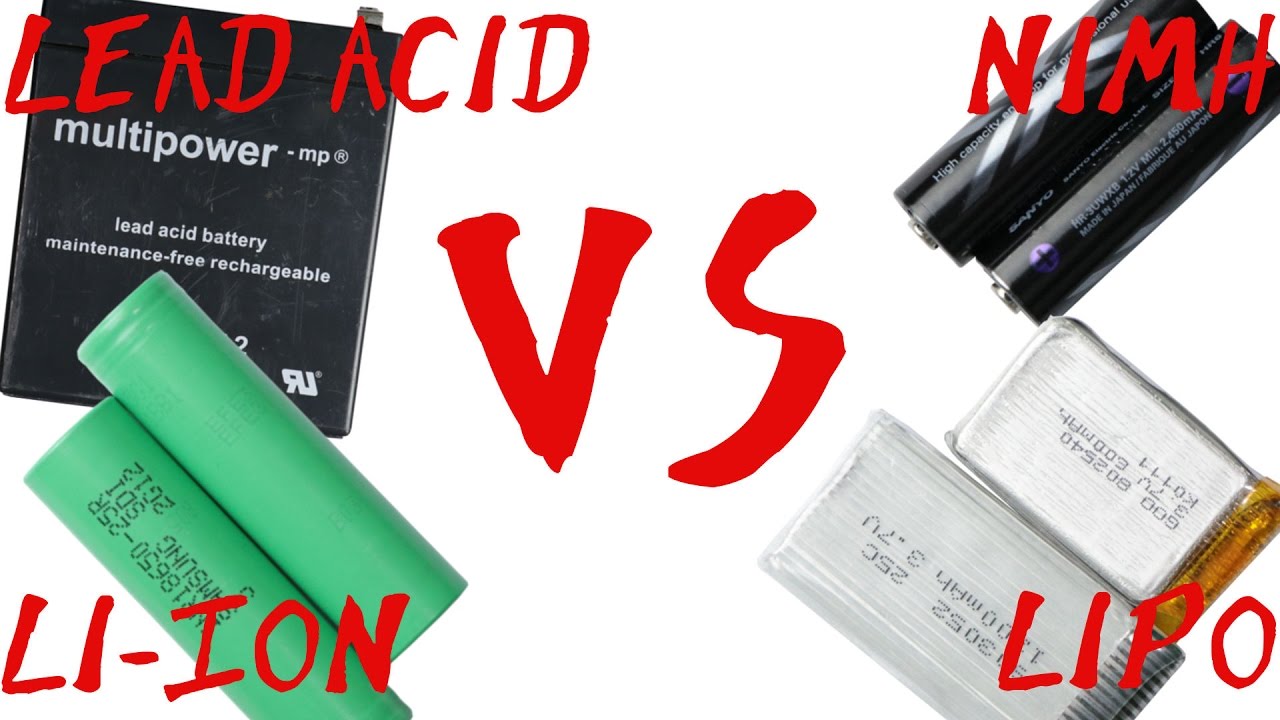

What Is a NiMH Battery?
Nickel-metal hydride (NiMH) battery, also known as metal hydride battery, is a rechargeable battery. It consists of a cathode (nickel-metal hydride compound), a anode (metal hydride) and an electrolyte (potassium hydroxide solution).
According to the purpose and design, NiMH batteries can be divided into ordinary type, high capacity type, fast charge and discharge type and low temperature type.
Ordinary type is suitable for general electronic equipment, with a long service life and stable performance; high capacity type is used for electronic products that need longer use time; fast charge and discharge type has a fast charging speed and is suitable for equipment that needs frequent charging; low temperature type is suitable for equipment in extremely low temperature environments.

The Structure of NiMH Battery
Cathode
The cathode material of nickel-metal hydride batteries is usually nickel hydroxide (Ni (OH)₂). On the surface of the cathode, an important redox reaction occurs. When the battery is discharged, the nickel ions (Ni²⁺) in the nickel hydroxide lose an electron and are oxidized to trivalent nickel ions (Ni³⁺), while generating hydroxide ions (OH⁻).
During the charging process, this reaction is reversed, and the trivalent nickel ions gain electrons and turn back into divalent nickel ions. In order to enhance the conductivity and structural stability of the cathode, some conductive agents, such as cobalt (Co) compounds, are usually added to the nickel hydroxide. These additives can improve the performance of the cathode material and make the reaction more efficient and stable.
Anode
Anode is the key part that distinguishes nickel-metal hydride batteries from other batteries. Its main active material is hydrogen storage alloy. Hydrogen storage alloy has a unique crystal structure and can absorb and release hydrogen under certain conditions. Common hydrogen storage alloys include AB₅ type (such as lanthanum nickel alloy LaNi₅) and so on.
When the battery is charged, the external electrical energy causes the hydrogen ions (H⁺) in the electrolyte to obtain electrons on the surface of the anode and become hydrogen atoms, and then these hydrogen atoms are quickly adsorbed and combined with the hydrogen storage alloy to form metal hydride.
When discharging, the hydrogen atoms in the metal hydride lose electrons and become hydrogen ions and enter the electrolyte, and the electrons flow to the cathode through the external circuit, thus forming a current.
Electrolyte
The electrolyte of NiMH battery generally uses an aqueous solution of potassium hydroxide (KOH). It plays a vital role in the battery and is a carrier of ion transmission.
During the battery charging and discharging process, the hydroxide ions (OH⁻) generated by the cathode move to the anode through the electrolyte, while the hydrogen ions (H⁺) generated by the anode move to the cathode through the electrolyte, thereby completing the ion conduction process inside the battery and maintaining the continuous electrochemical reaction.
The appropriate electrolyte concentration and purity have a great influence on battery performance. If the electrolyte concentration is too high or too low, it may lead to problems such as increased internal resistance of the battery and reduced charging and discharging efficiency. At the same time, impurities in the electrolyte may also react with the cathode and anode materials, damaging the performance and life of the battery.

Separator
The separator is a porous film located between the cathode and anode. Its main function is to prevent the cathode and anode from directly contacting and causing a short circuit, while allowing the ions in the electrolyte to pass freely.
Common separator materials for nickel-metal hydride batteries include polypropylene (PP), polyethylene (PE), etc. These separators have good chemical stability and mechanical strength, and can remain stable in the complex environment inside the battery.
The pore size and porosity of the separator are important parameters that affect battery performance. If the pore size is too large, although the ion transmission resistance is small, it may cause a micro short circuit between the cathode and anode, affecting the safety of the battery.
If the pore size is too small, the ion transmission will be greatly hindered, resulting in an increase in the internal resistance of the battery and a decrease in the charge and discharge performance. Therefore, when manufacturing the separator, its pore size and porosity need to be precisely controlled to achieve the best battery performance balance.
Battery case
The case is the external protective structure of the NiMH battery, usually made of metal or plastic. The metal case has good mechanical strength and conductivity, can provide reliable physical protection for the internal components of the battery, and can also serve as one of the electrode lead-out terminals of the battery. The plastic case has the advantages of light weight and good insulation performance, which can effectively prevent battery leakage and short circuit.
The design of the case should not only consider the protection function, but also take into account the packaging process and convenience of the battery. For example, in some small nickel-metal hydride batteries, in order to facilitate installation and replacement, an easily removable plastic case design will be adopted; in some large application scenarios, such as the battery module of a hybrid vehicle, a sturdy metal case will be used to ensure the safety and stability of the battery under complex working conditions.
NiMH Battery Industry Chain
The analysis of the nickel-metal hydride battery industry chain mainly includes three links: upstream raw material supply, midstream battery manufacturing, and downstream application market.
The upstream of the industry chain mainly supplies raw materials such as nickel ore, manganese ore, rare earth, and hydrogen storage alloys. Their quality and supply stability directly affect the performance and production cost of nickel-metal hydride batteries. The midstream of the industry chain is the research and development of nickel-metal hydride battery-related technologies and product production.
The downstream of the industry chain involves electric vehicles, aerospace, military industry, medical equipment, consumer electronics and other fields. NiMH batteries have the advantages of high energy density, long life, and environmental protection. With the continuous breakthroughs and progress of related technologies, the scope of application will continue to expand.

Factors Affecting the Development of NiMH Battery
Development opportunities
Technology continues to advance: With in-depth research in the fields of materials science and electrochemistry, the energy density, cycle life and safety of nickel-metal hydride batteries have been significantly improved, which makes NiMH battery more widely used in electric vehicles, energy storage systems and other fields.
At the same time, technological progress has also reduced production costs, improved production efficiency, and made nickel-metal hydride batteries more competitive in the market. In addition, the introduction of new technologies has also enhanced the safety performance of nickel-metal hydride batteries and reduced safety hazards during use.
The continuous advancement of technology has injected strong impetus into the development of the nickel-metal hydride battery industry, promoting the rapid upgrading of the industry and the continuous expansion of the market.
Perfect industrial chain: The global rare earth resources are rich, which provides a strong guarantee of raw materials for the development of the nickel-metal hydride battery industry. At the same time, with the continuous improvement of the industrial chain, the cooperation between upstream material suppliers and downstream application markets is becoming increasingly close, which provides strong support for the rapid development of the nickel-metal hydride battery industry. The perfect industrial chain can ensure the stable supply of raw materials and reduce production costs.
The close cooperation between upstream and downstream enterprises in the industrial chain is also conducive to promoting technological innovation and industrial upgrading, and promoting the improvement of nickel-metal hydride battery performance. In addition, the improvement of the industrial chain can promote the expansion of market demand and provide a broad market space for the application of nickel-metal hydride batteries in electric vehicles, energy storage systems and other fields.
Improved environmental awareness: With the enhancement of global environmental awareness, consumers’ demand for environmentally friendly products is growing, which provides a broad market space for environmentally friendly batteries such as NiMH batteries. As a relatively environmentally friendly battery technology, nickel-metal hydride batteries are favored by the market for their recyclability and low pollution.
The improvement of environmental awareness has also promoted the government’s support for the environmental protection industry and provided policy support for the development of the NiMH battery industry. At the same time, enterprises have also actively responded to the call for environmental protection, increased environmental protection investment, and promoted green innovation in nickel-metal hydride battery technology.

Development Challenges
High production costs: The production cost of NiMH batteries is relatively high, mainly due to their complex production process and raw material costs. Although technological advances have reduced costs to a certain extent, the cost of NiMH battery is still relatively high compared to some other types of batteries. High costs lead to relatively high market prices for NiMH batteries, reducing their competitiveness in price-sensitive markets.
Secondly, high costs limit the promotion of NiMH batteries in large-scale applications, especially in areas such as electric vehicles that require a large amount of battery investment. In addition, high costs may also affect the company’s R&D investment and innovation capabilities, restricting further breakthroughs in NiMH battery technology.
Charging speed and discharge efficiency need to be improved: The charging speed and discharge efficiency of nickel-metal hydride batteries are relatively low, which affects their convenience and efficiency in use. The slow charging speed limits the application of nickel-metal hydride batteries in fast-paced life and work scenarios, especially in emergency situations where fast charging is required. Ni-hydrogen batteries seem to be unable to cope with the situation.
Secondly, the low discharge efficiency means that there is a loss in the energy release process of nickel-metal hydride batteries, which reduces its energy utilization efficiency and affects the user experience. These two bottleneck problems not only restrict the application scope of nickel-metal hydride batteries in electric vehicles, mobile devices and other fields, but also affect their market competitiveness.

Conclusion
Although lithium-ion batteries dominate the current battery market, NiMH battery still have irreplaceable applications in some specific fields due to their unique structure and performance characteristics, such as some medical equipment and emergency lighting equipment with extremely high safety requirements.
With the continuous advancement of science and technology, it is believed that through in-depth research and innovative improvements on the structure of nickel-metal hydride batteries, it will continue to play an important role in the field of environmental protection energy, bring more convenience to our lives, and contribute to the promotion of sustainable development. After understanding the structure of NiMH battery, do you have a new understanding of this battery type?
The structure of lithium-ion batteries may seem simple, but they are actually the culmination of material science and engineering technology. From mobile phones to electric cars, from space to the deep sea, they are driving the energy revolution in human society. In the future, with breakthroughs in new technologies such as solid-state batteries and sodium ion batteries, we will usher in a safer and more efficient energy era.


